
EMPOWERING COMFORT ENERGY AND STYLE
Types Of Solar
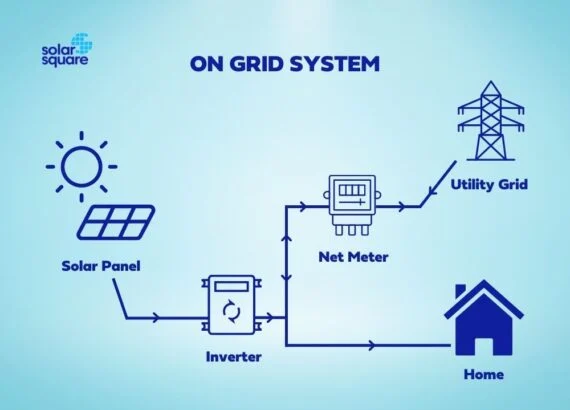
On-Grid
An on-grid solar system, also known as a grid-connected/grid-tied solar system, is a setup where solar panels are connected to the electricity grid. Here’s a brief overview:
1. Solar Panels: The system consists of solar panels that capture sunlight and convert it into electricity using photovoltaic (PV) cells.
2. Inverter: A solar inverter is used to convert the DC (direct current) electricity produced by the solar panels into AC (alternating current) electricity, which is used in homes and businesses.
3. Grid Connection: The AC electricity generated by the solar panels is connected to the local utility grid through a bi-directional meter. This allows excess electricity to be sent to the grid when the solar panels produce more than is needed and to draw electricity from the grid when solar production is insufficient.
4. Net Metering: Many grid-tied systems use net metering, where the electricity meter measures both the electricity consumed from the grid and the excess electricity sent back to the grid. This allows homeowners to receive credits for surplus electricity, which can offset their electricity bills.
5. Benefits: Grid-tied solar systems are popular because they allow homeowners to reduce their electricity bills, lower their carbon footprint, and potentially earn income through excess electricity generation.
6. Backup Power: Some grid-tied systems can include battery storage for backup power during grid outages, ensuring continuous electricity supply.
7. Government Incentives: Depending on your location, there may be government incentives, tax credits, or rebates available to encourage the installation of grid-tied solar systems.
Overall, grid-tied solar systems are a sustainable and cost-effective way to generate electricity while remaining connected to the reliable grid infrastructure.
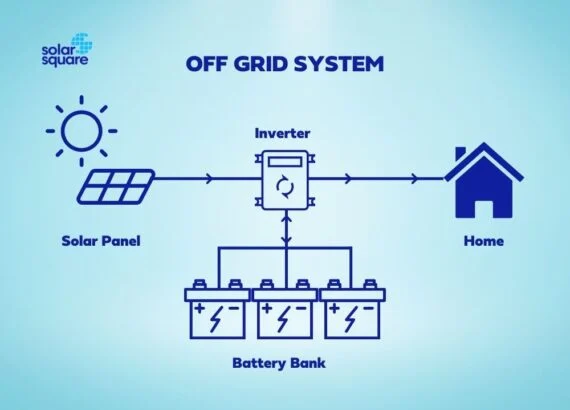
Off-Grid
An off-grid solar system, also known as a standalone solar system, is a setup that operates independently of the electricity grid. Here’s a brief overview:
1. Solar Panels: Off-grid systems consist of solar panels that capture sunlight and convert it into electricity using photovoltaic (PV) cells.
2. Battery Storage: To store excess electricity generated during sunny periods, off-grid systems incorporate battery storage systems. This allows for energy storage and usage during nighttime or cloudy days.
3. Charge Controller: A charge controller is used to regulate the flow of electricity between the solar panels and the battery bank, preventing overcharging and damage to the batteries.
4. Inverter: An inverter is used to convert the DC (direct current) electricity stored in the batteries into AC (alternating current) electricity, which can be used to power household appliances and devices.
5. Backup Generator (Optional): In some cases, off-grid systems include a backup generator, typically fueled by propane, diesel, or natural gas. This generator can provide power during extended periods of low sunlight or high energy demand.
6. Energy Management: Off-grid system owners must carefully manage their energy usage to ensure they have enough stored power to meet their needs until the next sunny day or when the generator is used.
7. Remote Locations: Off-grid solar systems are commonly used in remote or rural areas where connecting to the grid is impractical or too expensive.
8. Self-Sufficiency: Off-grid systems offer a high level of energy self-sufficiency, as they rely solely on renewable energy sources (solar panels) and stored energy (batteries and generators).
9. Maintenance: These systems require regular maintenance to ensure the proper functioning of components like batteries and inverters.
While off-grid solar systems provide independence from the grid and can be a sustainable solution for remote locations, they require careful planning and maintenance to ensure reliable power supply, especially during periods of low sunlight or increased energy demand.

Hybrid
A hybrid solar system is a combination of both a grid-tied solar system and an off-grid solar system, offering the advantages of both setups. Here’s a brief overview:
1. Solar Panels: Hybrid systems include solar panels that capture sunlight and convert it into electricity using photovoltaic (PV) cells, just like grid-tied and off-grid systems.
2. Grid Connection: Similar to grid-tied systems, hybrid systems are connected to the electricity grid, allowing excess electricity to be sent to the grid when solar production exceeds demand.
3. Battery Storage: Unlike typical grid-tied systems, hybrid systems incorporate battery storage like off-grid systems. This enables the storage of excess solar energy for use during periods of low sunlight or grid outages.
4. Inverter and Charge Controller: A hybrid system includes both a solar inverter to convert DC electricity to AC for immediate use and a charge controller to manage the flow of electricity to and from the batteries.
5. Energy Management: Hybrid systems use smart technology to prioritize the use of solar power when it’s available, drawing electricity from the grid only when needed. Excess energy can charge the batteries or be sent to the grid.
6. Backup Power: When grid power fails, the batteries in a hybrid system can provide backup power, ensuring a continuous electricity supply. Some hybrid systems can even be programmed to prioritize critical loads during an outage.
7. Grid Independence: Hybrid systems offer a level of grid independence, as they can operate off-grid when necessary, relying on stored energy, and can also interact with the grid to reduce electricity costs and provide backup power.
8. Cost Savings and Sustainability: Hybrid systems provide cost savings by reducing grid electricity consumption and reliance on fossil fuels for backup generators. They are a sustainable way to harness solar energy while maintaining grid connectivity.
Hybrid solar systems are versatile and adaptable to various energy needs, making them an attractive choice for homeowners and businesses looking to optimize their energy usage, reduce costs, and enhance their energy resilience.
About Us
Who We Are
What We Do
Quality Services

Modular Kitchen
Aadi Ananta, bring together functionality and aesthetics to provide customer with customised, efficient and optimum value of the money home designs
Solar Power
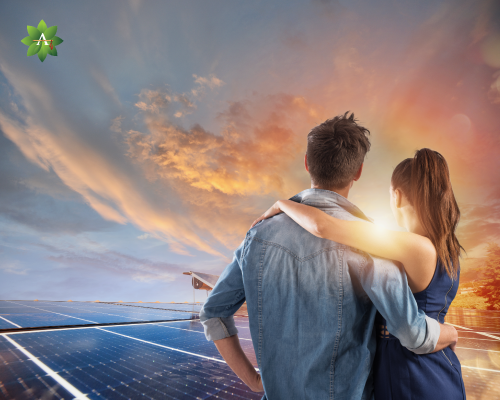
A solar cell, or photovoltaic cell, is an electrical device that converts the energy of light directly into electricity by the photovoltaic effect, which is a physical and chemical phenomenon.
Energy Audit
Aadi Ananta owing to the presence of our experts, we Energy Audit Services to our clients.
Why Choose AadiAnanta for Solar Installation?
- Expertise
- Reliability
- Sustainability
- Cost Savings
- Maintenance and Support
We Follow Best Practices
- Customized Solar Solutions
- Cutting-Edge Technology
- Energy Savings
- Financial Incentives
- Maintenance and Support
- Experienced Team
Request a Quote
Learn More From
Frequently Asked Questions
Get In Touch
Contact Us
Registered Address:
K.B. 121, Kavi Nagar Ghaziabad 201002 Uttar Pradesh India
Sales Address:
Shop No. 1 & 2, Plot No.-96, Shyam Park Extension, Rajinder Nagar Sahibabad, Ghaziabad 201005 UP
Phone:
+91 (120) 433 6076
Email:
info@aaeindia.com